
exhibitions
past
Things that Cannot Be Seen Any Other Way: The Art of Manuel Mendive
April 26 – October 20, 2013
curated by: Mar Hollingsworth

Manuel Mendive (Cuban b. 1944). <em>Cielo</em> 1970. Tempera on Paper.. Collection of Constantino Pares
Things that Cannot Be Seen Any Other Way: The Art of Manuel Mendive
April 26 – October 20, 2013
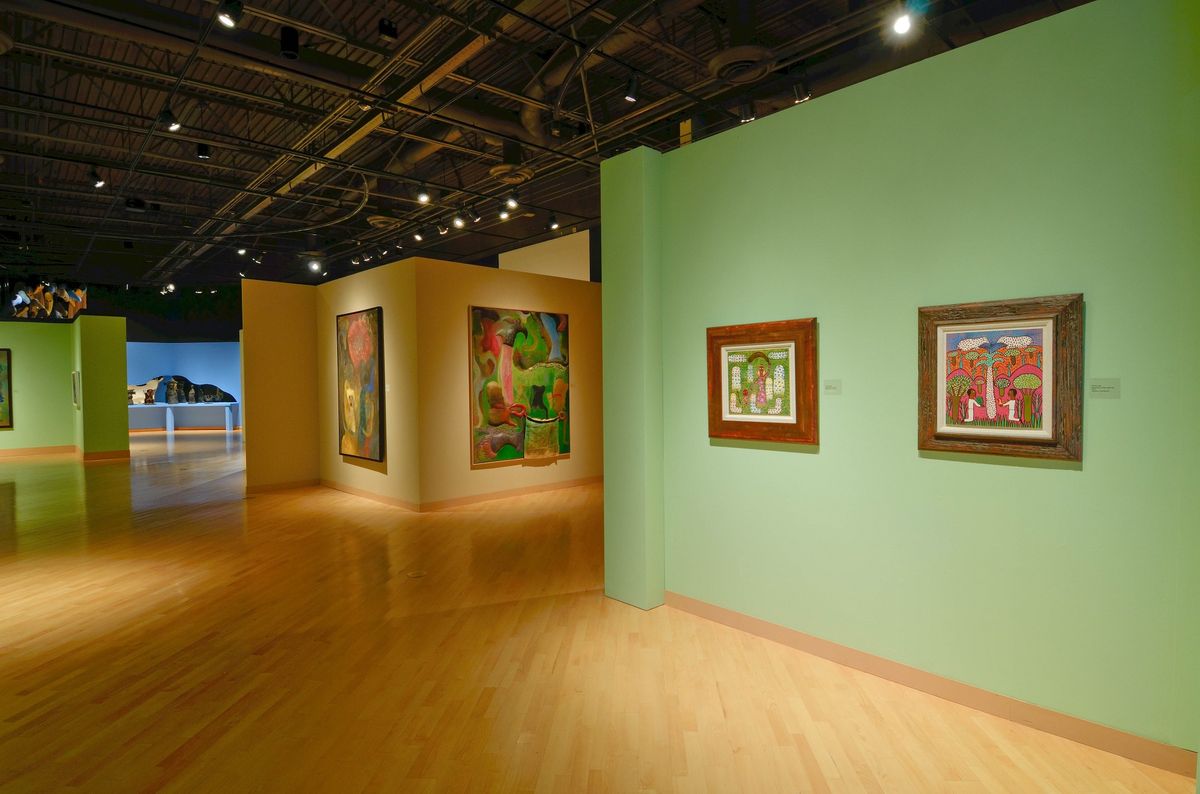
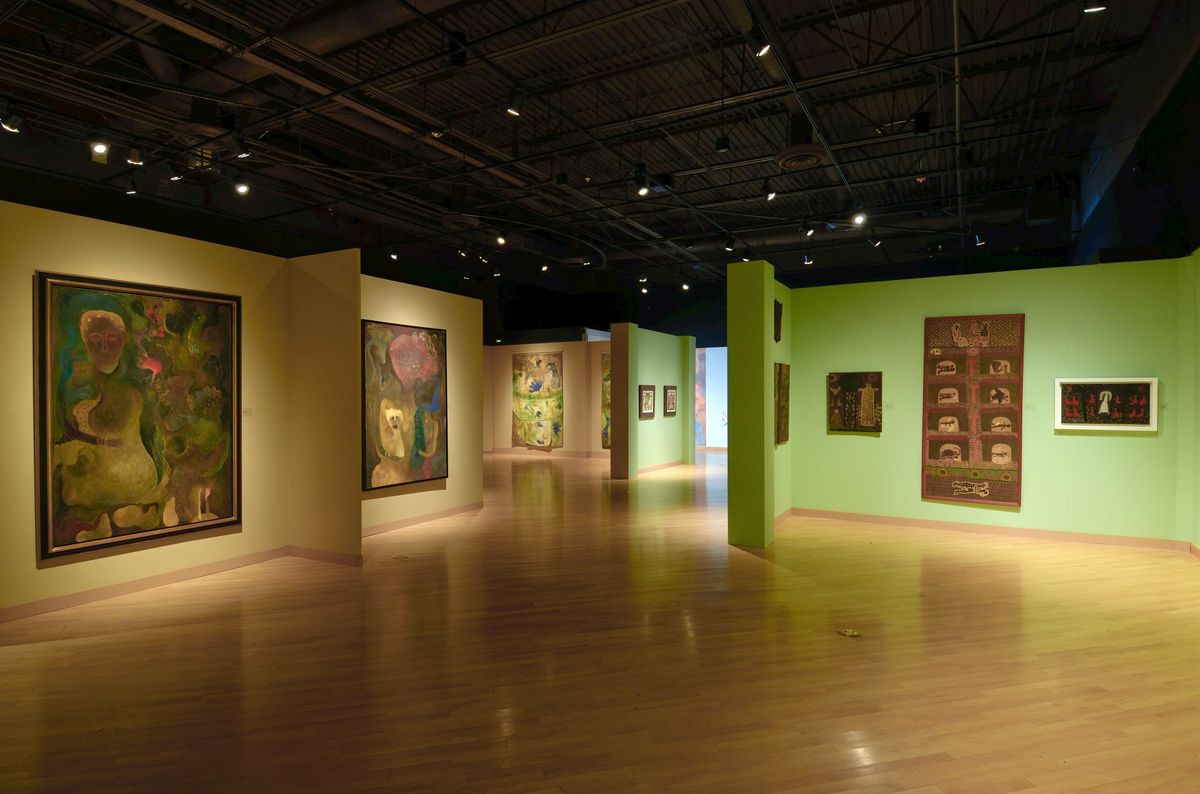
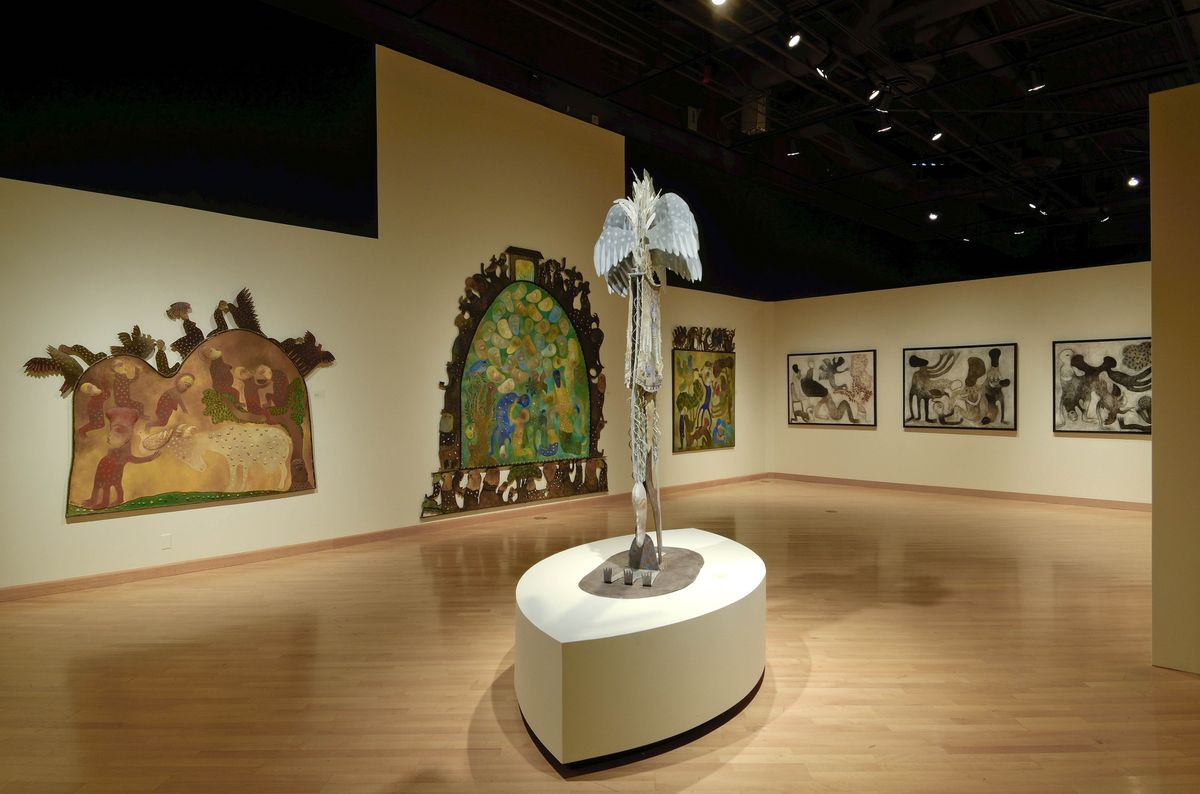
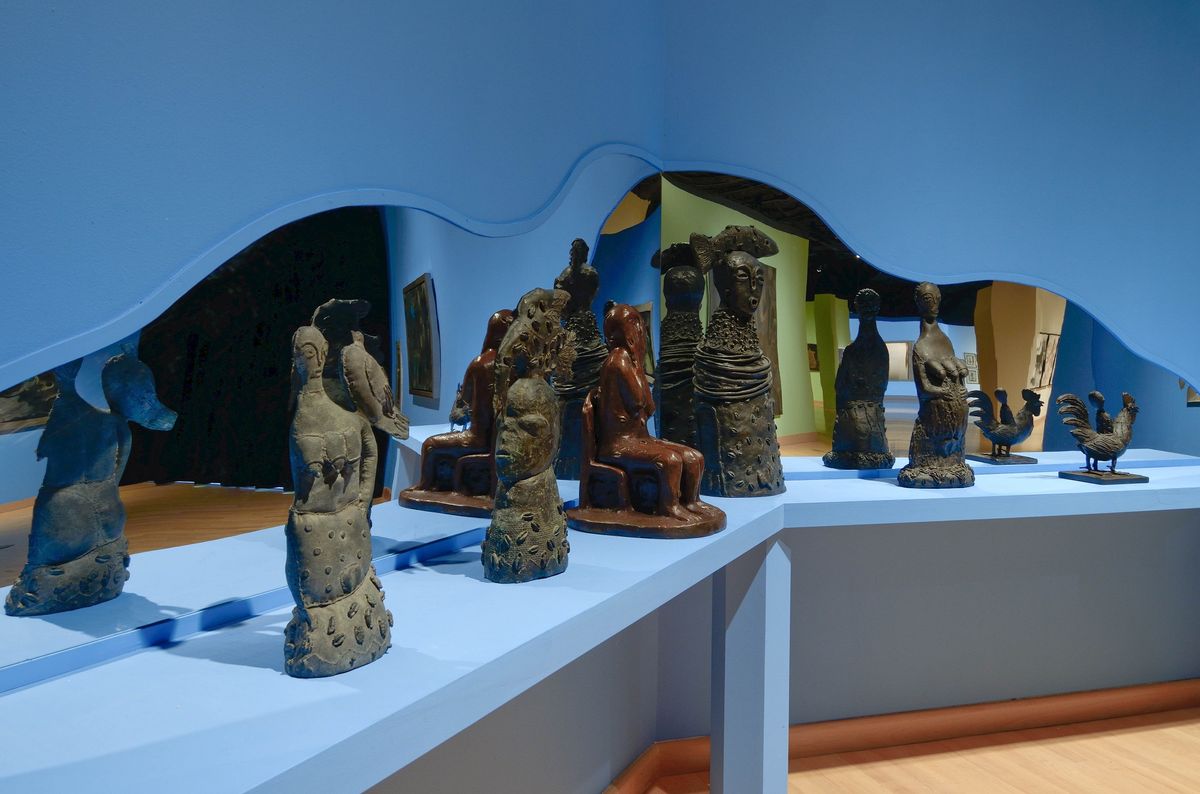
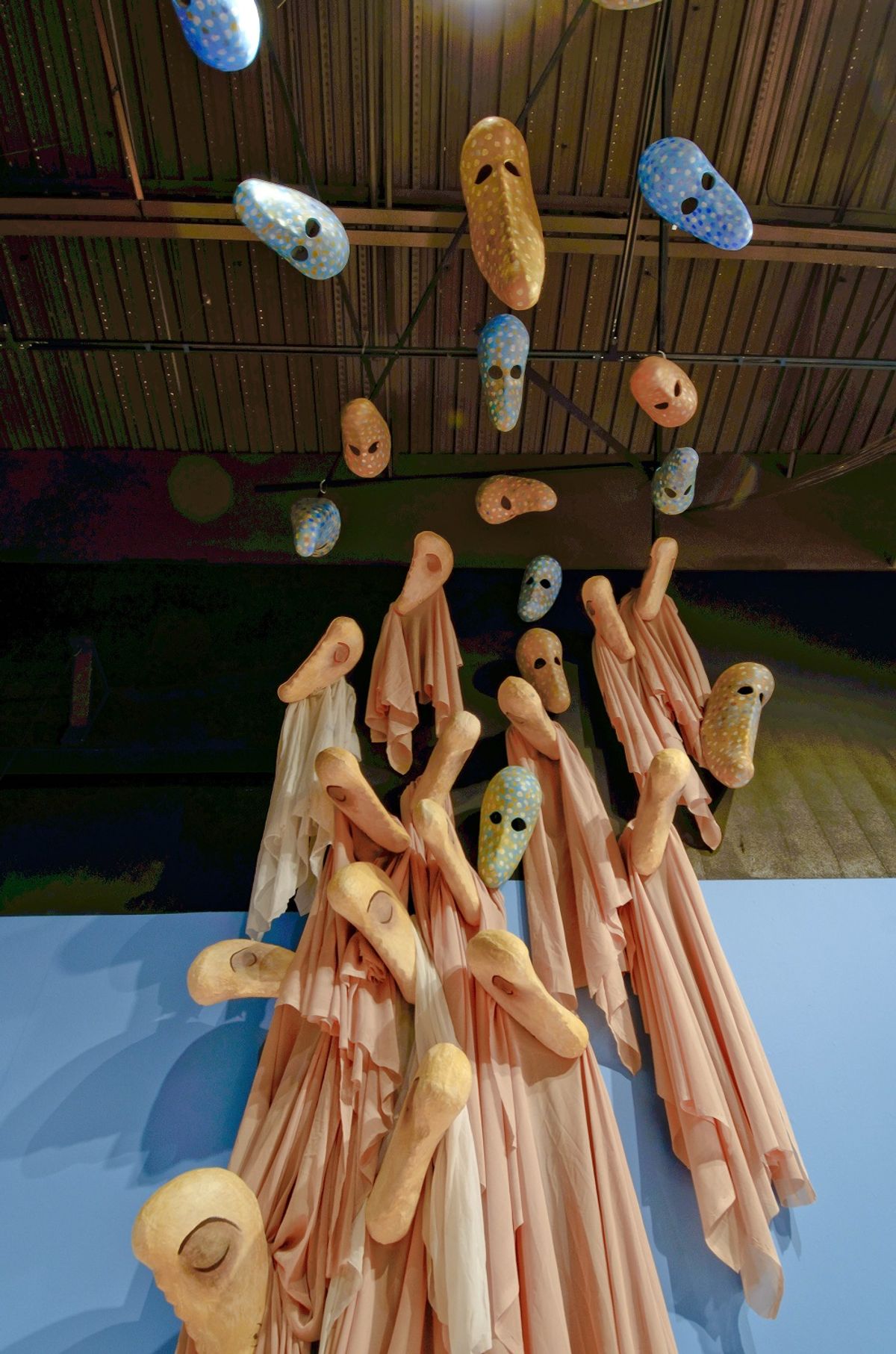
"Things that Cannot Be Seen Any Other Way: The Art of Manuel Mendive" is a multi-faceted effort that explores Mendive's visual and performance work. This exhibition is a newly-produced, career-spanning overview, while emphasizing the artist's mature work. Whereas cubism and surrealism had been common among his predecessors, Mendive instead incorporates visual elements rooted in Lukumi/Yoruba visual traditions into his painting. The exhibition and publication trace Mendive's drawing, painting, sculpture, and performances from the early 1960s to the present, giving special focus to discrete themes common across his work, including religion, nationalism, and memory. Mendive's most significant work, which forms the central conceptual and physical focus of the project, are his 1960s and 1970s series "Yoruba Mythology" and "Middle Passage," and his performances in the late 1980s, such as "La Vida." Each series bears witness to both the time and place of its making, showing the artist's growth and development, but also testifying to his deep commitment to Afro-Cuban culture and the art of painting in addition to his concerns around the nature of religion and its visual language.
This Exhibition is a project originally conceived by The Los Angeles Department of Cultural Affairs in association with The California African American Museum , The Patricia and Phillip Frost Art Museum at Florida International University , and Fundación Amistad.
Background: Manuel Mendive is a recognized international contemporary master whose career has flourished during Cuba's revolutionary period. He has exhibited throughout Europe, Russia, Africa, and Latin America. However, because of the decades old U.S.-Cuba embargo, his work has rarely been seen in this country.
exhibition preview
of 5